The International Energy Agency dropped a dire assessment on Thursday: the war in Iran has produced the single largest supply disruption in the history of global oil markets. With the Strait of Hormuz — the narrow chokepoint connecting the Persian Gulf to the rest of the world — nearly shut down to tanker traffic, Gulf nations have slashed production by at least 10 million barrels per day. The IEA now expects world oil output to plunge by 8 million b/d in March, bringing global production to its lowest point in four years.
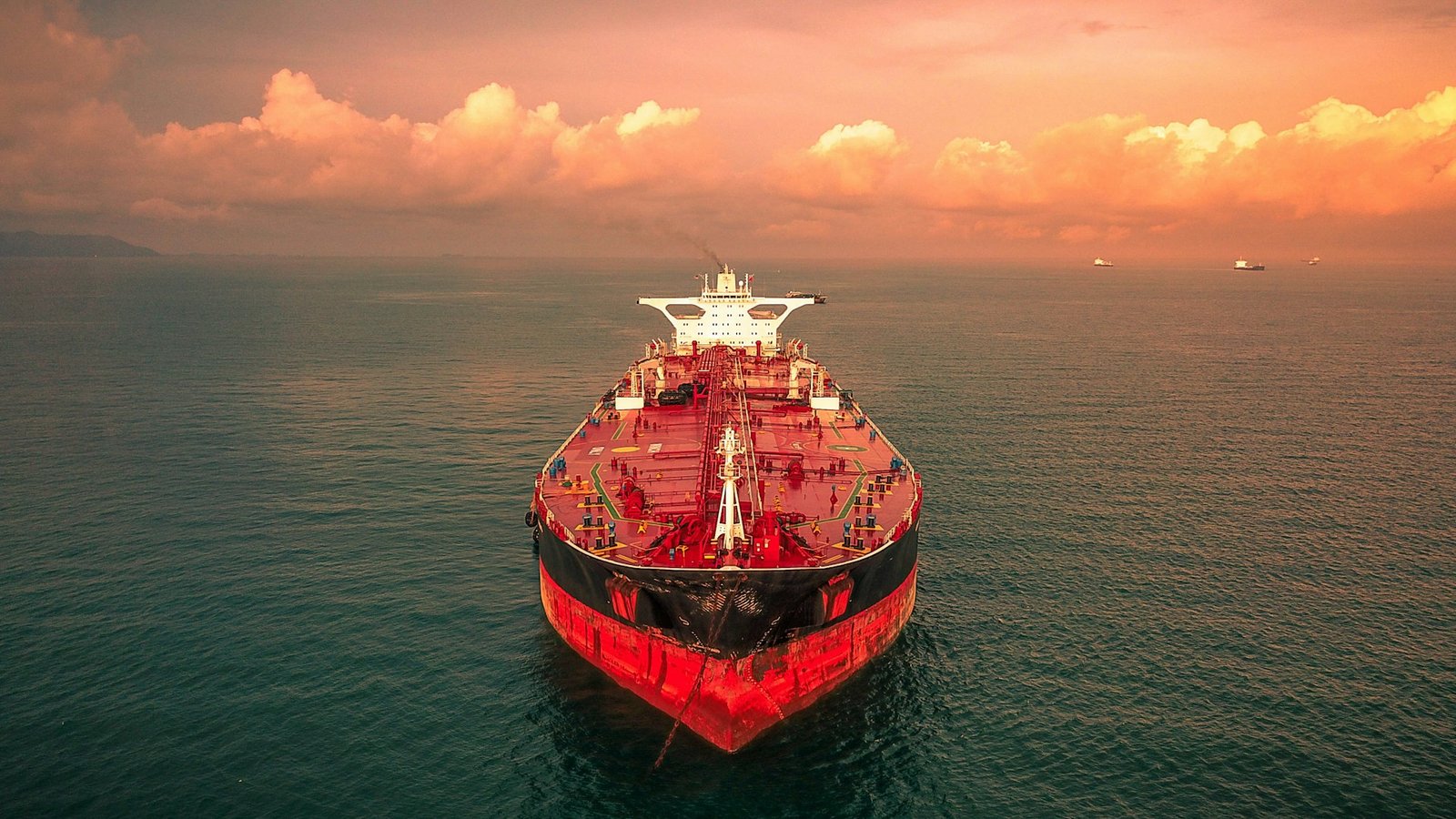
An oil tanker – illustrative photo. Image credit: Fredrick F. via Unsplash, free license
Key Takeaways:
- The IEA says the Iran war has created the biggest oil supply disruption ever recorded, with Gulf producers cutting at least 10 million barrels per day due to the near-closure of the Strait of Hormuz.
- Global output is expected to fall by 8 million b/d in March — a drop of more than 7% from February’s roughly 107 million b/d — while Saudi Arabia and the UAE scramble to reroute exports through alternative ports.
- The IEA has sharply cut its 2026 supply growth forecast from 2.4 million b/d to just 1.1 million b/d, with the final number hinging on how long the conflict lasts.
“The war in the Middle East is creating the largest supply disruption in the history of the global oil market,” the IEA report stated plainly.
The damage is concentrated among Gulf heavyweights. Iraq, Qatar, Kuwait, the UAE, and Saudi Arabia have all seen major production declines. But the hit won’t be entirely one-sided. Kazakhstan, Russia, and non-OPEC+ producers are expected to pick up some of the slack, partially offsetting the losses.
Rerouting the Flow
Saudi Arabia and the UAE aren’t sitting still. Both countries are aggressively redirecting crude exports through ports that bypass the Gulf entirely. Saudi Arabia pushed a record 5.9 million b/d through its western (Red Sea-facing) ports on March 9 — a massive jump from just 1.7 million b/d flowing through those same terminals in 2025.
The UAE has a similar backup plan in action. Abu Dhabi National Oil Co (Adnoc) loaded an average of 2.4 million b/d from the port of Fujairah between March 4 and March 9. Fujairah sits outside the Strait of Hormuz and connects via pipeline to Adnoc’s Habshan production hub and the enormous Al-Mandous crude storage cavern, which holds 42 million barrels underground.
A Much Darker Outlook for 2026
The conflict’s duration will determine how deep the scars run. The IEA still projects global oil supply to grow by 1.1 million b/d on average in 2026 — but that’s barely half the 2.4 million b/d increase it forecast just one month ago. The downgrade captures not just the immediate production losses but the deep uncertainty hanging over every barrel that normally transits through the world’s most critical maritime bottleneck.
With the Strait of Hormuz effectively frozen, and no clear end to hostilities in sight, the global energy system is operating under conditions it has never faced at this scale.