The U.S. dollar clawed back some of its losses on Tuesday as currency markets struggled to believe the Middle East conflict was anywhere close to ending. President Donald Trump paused strikes on Iranian power stations and energy infrastructure—but investors weren’t ready to celebrate.
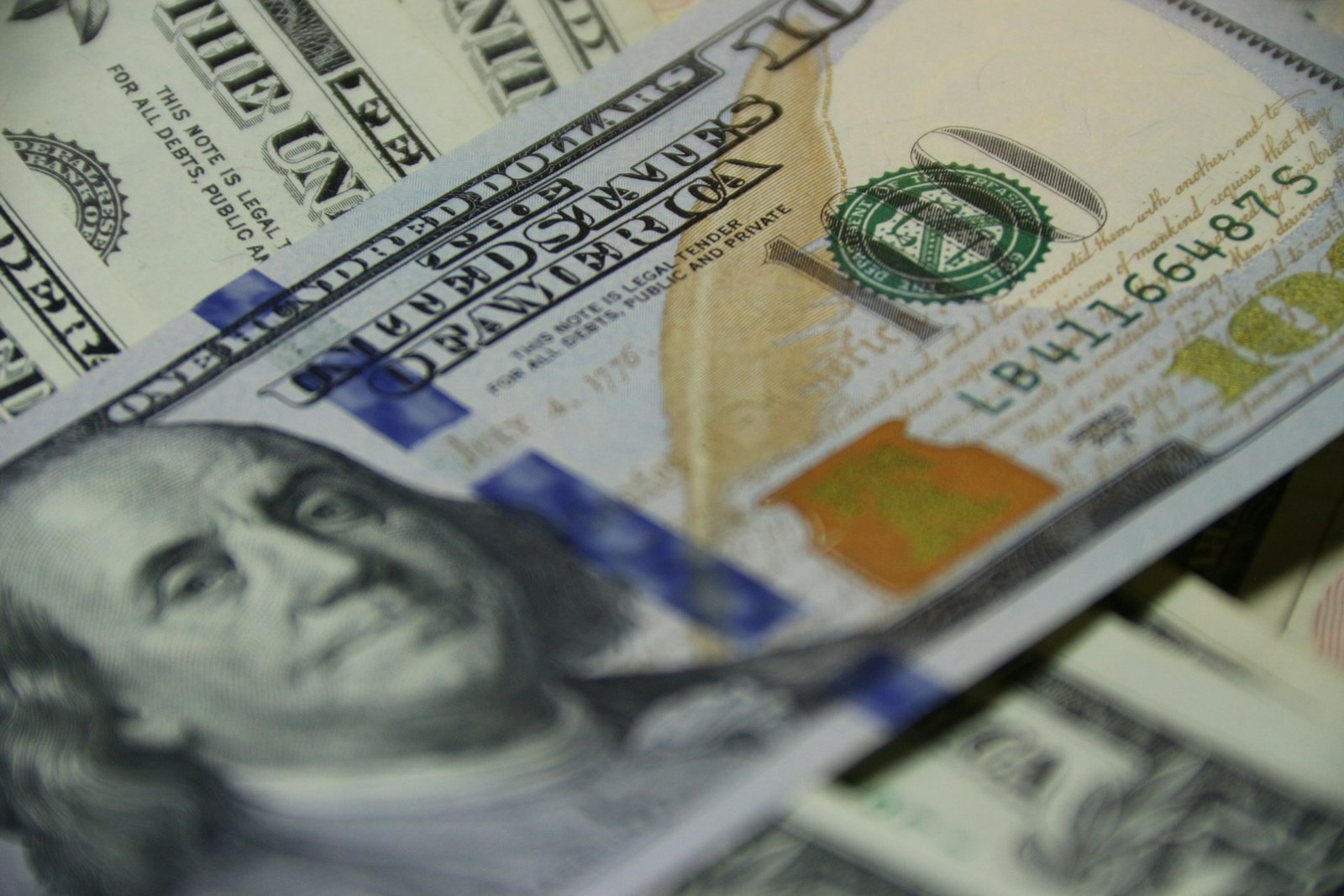
US dollars. Image credit: Vladimir Solomianyi / Unsplash, free license
Key Takeaways:
- The dollar index rose 0.1% to 99.293 on Tuesday, recovering from a near two-week low, as markets doubted a quick resolution to the Iran conflict.
- The war has effectively shut down about one-fifth of global oil and LNG shipments through the Strait of Hormuz, driving energy prices higher and supporting the dollar.
- Rate cut expectations from the Fed are fading, while the ECB and Bank of England may each deliver at least two rate hikes this year.
On Monday, Trump described U.S.-Iran conversations as “very good and productive,” aimed at reaching a “complete and total resolution of hostilities in the Middle East.” Iran flatly denied any direct negotiations had taken place.
That contradiction did little to calm currency desks. Rodrigo Catril, a currency strategist at National Australia Bank, said:
“giving a breather to volatility at least, but it’s difficult to see that this is going to trigger a risk-on trend.”
Trump’s history of abrupt policy reversals has made it almost impossible for traders to distinguish genuine diplomatic progress from temporary retreat. Catril noted that markets couldn’t tell whether the president had started real negotiations or simply stepped back from threats that were shaking prices.
Early Economic Damage Is Already Visible
Friday’s survey data delivered unwelcome confirmation: the war is already denting the global economy. Business activity across the euro zone and Britain dropped to multi-month lows, a clear sign that Europe is absorbing real economic pain from the conflict.
The euro fell 0.2% against the dollar to $1.1593, giving back some of its 0.4% gain from the previous session. Sterling slid 0.4% to $1.3406 after surging 0.9% on Monday.
Tommy von Brömsen, FX strategist at Handelsbanken, read Trump’s rhetoric as a signal he wanted out of the fighting:
“Once we get an end, I think we’re going to see some reversal of the FX moves that we’ve seen so far, which would mean a weaker dollar.”
One-Fifth of Global Energy Flow Sits Blocked
Mixed messages and fresh combat have left markets deeply unsettled. The war has all but stopped shipments of roughly one-fifth of the world’s oil and liquefied natural gas through the Strait of Hormuz. That’s an enormous bottleneck with global consequences.
Oil prices climbed again on Tuesday after plunging more than 10% the day before. The U.S. position as a net energy exporter has given the dollar an extra tailwind since the war began and energy prices shot upward.
The dollar index—measuring the greenback against a basket of major currencies—ticked up 0.1% on Tuesday to 99.293 after sliding 0.4% to near a two-week low on Monday. For the month, the index has gained 1.7%, on pace for its best monthly performance since October, boosted by both energy dynamics and safe-haven demand.
Central Banks Head in Opposite Directions
Rising energy costs are dragging inflation expectations higher, which has pushed markets to trim their bets on Federal Reserve rate cuts. No one is pricing in tightening from the Fed this year—but the picture looks very different in Europe.
Markets now expect at least two rate hikes each from the European Central Bank and the Bank of England before the year is out. The contrast between a holding-steady Fed and a tightening Europe adds yet another variable to already volatile currency markets.